

Dr. Tran Chanh Duong
Specialist in Orthodontics
FCDSHK (Orthodontics), FHKAM (Dental Surgery)
Adv Dip Orth. (H.K.), M. Ortho. R.C.S. (Edinburgh)
M. Orth. (H.K.), L.D.S.R.C.S. (England), B.D.S. (London)
Speaks English, Cantonese, Mandarin
Braces Orthodontic treatment is perfect for anyone seeking to straighten crooked teeth, improve their bite, and enhance oral hygiene. Whether you’re a parent considering braces for your child or an adult looking to boost your confidence, we’ve got you covered.
Transform your smile with expert orthodontic care at Bayside Dental in Discovery Bay.
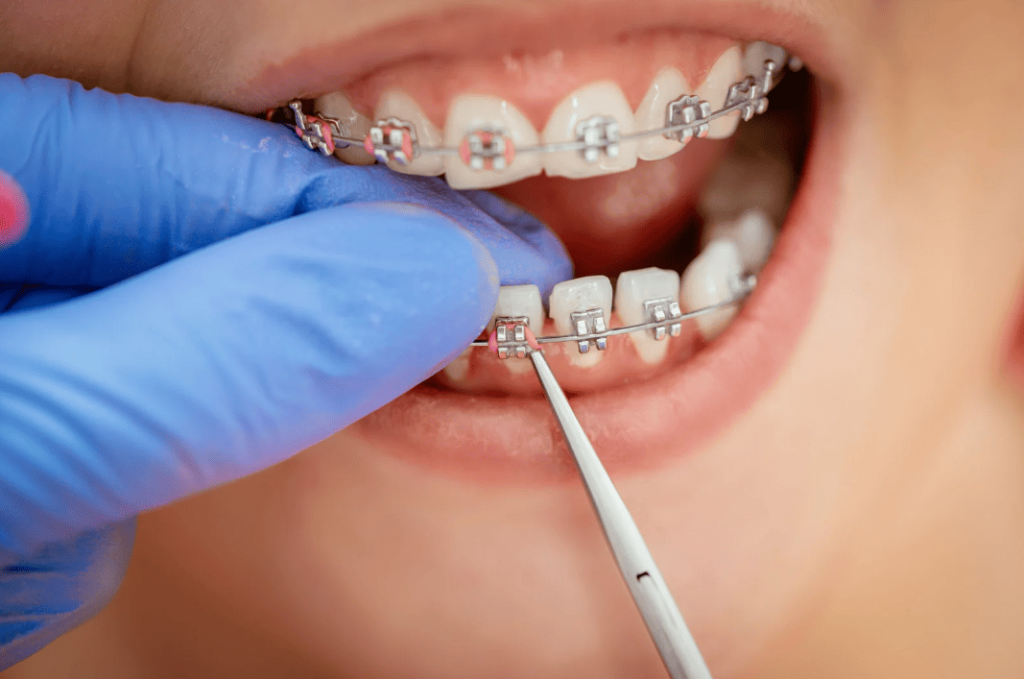
At Bayside Dental, we offer tailored orthodontic solutions for patients of all ages. In children, bite problems usually become clear between about 8 and 12, while teeth and jaws are still developing, which makes this a good time for an orthodontic assessment. There’s no upper age limit, though, and adults can benefit from braces at any stage of life. Contact us today to explore your options!
For overall children’s dental care, prevention and the right timing for an orthodontic assessment, see our kids dentistry service.
Bite problems usually become obvious between about 8 and 12, while the teeth and jaws are still growing. At this stage many children are in the “mixed dentition” phase, with some baby teeth and some adult teeth. An orthodontist can look at how the adult teeth are coming through and how the jaws are developing, then decide whether to treat now, start later, or keep an eye on things for a while. Not every child needs braces straight away, and there is no upper age limit for orthodontic treatment, so waiting does not rule it out.
If a child’s jaw growth needs correcting first, the orthodontist may suggest early treatment to line up the jaws before a later phase of treatment. This uses functional appliances, which help correct how the jaws grow and line up. They are often used around ages 8–12 and come in fixed and removable designs. Removable braces are another option for patients of any age who would rather not have visible braces; the orthodontist will assess whether they suit your child.
None of these means braces are needed right away, but they are worth having checked. Regular visits to our kids dentistry team also let the dentist follow how your child’s teeth are coming in and arrange an orthodontic assessment when it’s needed.
We use advanced imaging technology to capture detailed scans of your teeth and jaw structure, ensuring a personalized treatment plan.
The brace-fitting appointment takes about an hour—one of the longest steps in the process. Our team ensures a comfortable and precise fit.
After fitting, you’ll visit us every 4–6 weeks for adjustments and progress checks. These appointments ensure your teeth align correctly over time.
Once your treatment is complete (usually at least 12–18 months, depending on your case), we’ll remove your braces. Retainers are then provided to maintain your new smile for years to come.
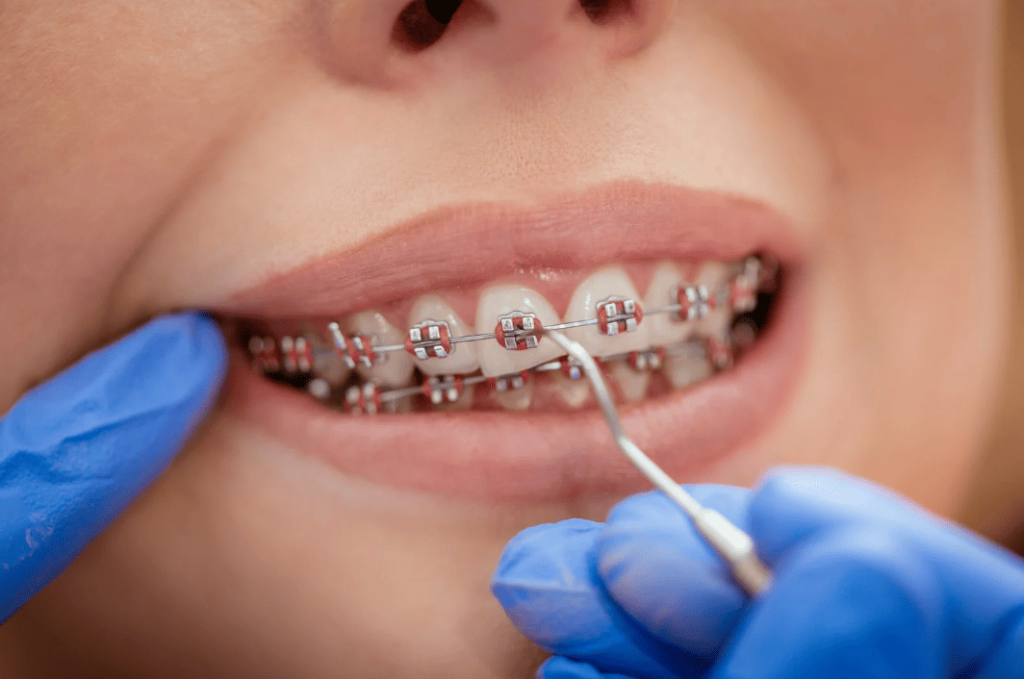
Fixed braces are the most popular choice for straightening teeth. Small brackets are bonded to your teeth, connected by a wire that our orthodontist adjusts every 4–6 weeks to guide your teeth into place.
Both options deliver excellent results—ceramic braces are simply less noticeable.
Removable braces suit patients of all ages who would rather their braces weren’t noticeable. They’re comfortable to wear and discreet, and your orthodontist will assess whether they suit your case.
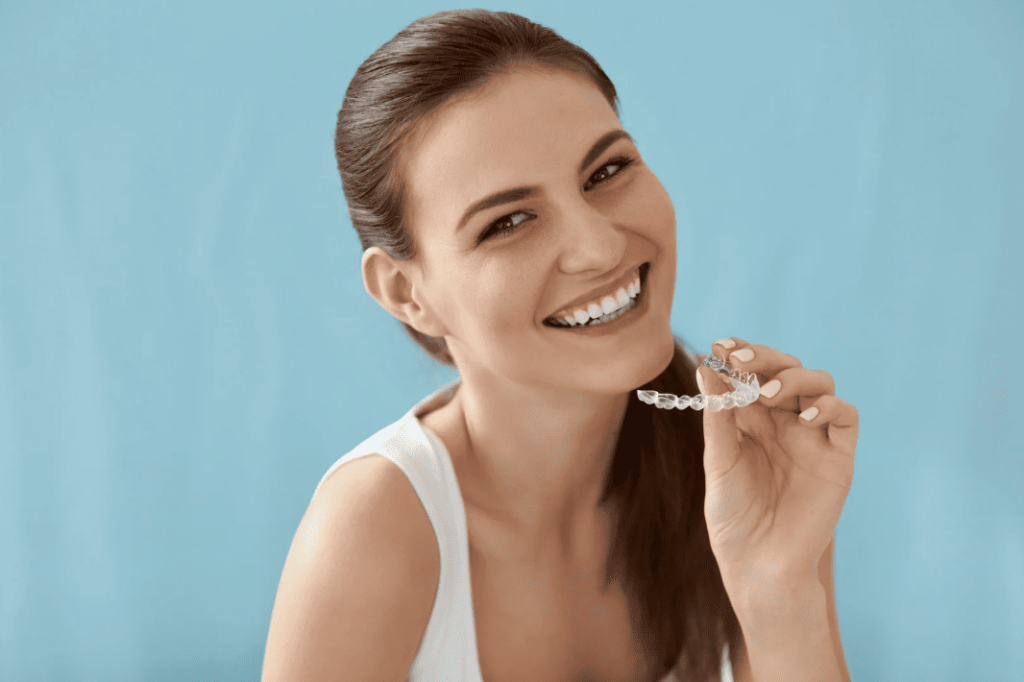

Functional appliances correct jaw growth and alignment, often recommended for children with developing jaws. Available in fixed or removable designs, our orthodontist will choose the best type for your child’s needs.
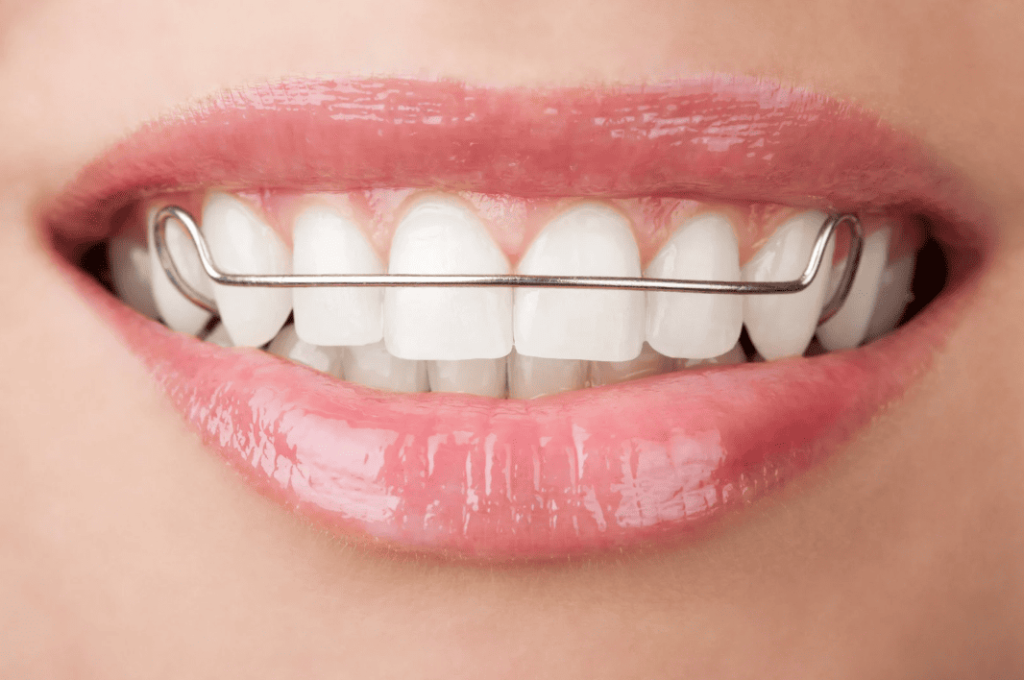
Post-treatment, retainers prevent your teeth from shifting back. We offer:
Bite problems usually become clearer between about 8 and 12, while the jaw is still growing, making this a good time for an orthodontic assessment, though not every child needs braces straight away. Our specialist orthodontist will advise when to start and which appliance suits your child’s teeth and jaw development, and there’s no upper age limit for adults. For everyday children’s care, see Kids Dentistry.
Both work the same way; the main difference is appearance, as ceramic braces use translucent brackets that are less noticeable than metal. The ceramic brackets themselves generally resist staining, but the small elastic ties holding the wire can pick up colour from coffee, tea or curry; these are usually replaced at your adjustment visits. Your specialist orthodontist will recommend a type based on your bite, lifestyle and preferences.
Usually for the long term, with the exact schedule and type of wear set by your specialist orthodontist for your case. Teeth tend to drift back after treatment, and not wearing a retainer as instructed is a common reason for relapse, so you’ll have reviews to check it still fits. If your retainer breaks or stops fitting, contact the clinic rather than adjusting it yourself.
Common types are a fixed retainer (a thin wire bonded behind the front teeth), a removable Hawley retainer (wire with an acrylic plate) and a clear removable retainer such as Essix or Vivera. Based on the Prince Philip Dental Hospital (PPDH) private patient fee schedule, a retainer is about HK$1,500–$2,500 per visit. For reference only; this is not our clinic’s actual pricing, and your fee is confirmed after an examination. See the full fee reference.
Changes usually become visible gradually as treatment goes on, and the full result comes at the end. Fixed braces usually take at least 12–18 months, with adjustments every 4–6 weeks, but the length depends on how complex your alignment and bite are, so there’s no fixed timeline. Keeping to your appointments and cleaning well help treatment stay on track.
Plaque builds up easily around brackets and wires, so brush carefully after meals and use interdental brushes or floss between the brackets to lower the risk of decay and gum inflammation. Avoid hard or sticky foods such as hard sweets, nuts and chewing gum, which can loosen brackets or bend the wire. See our guide to cleaning teeth with braces for step-by-step tips.
It depends on your teeth and lifestyle. Invisalign uses clear, removable aligners that make eating and cleaning easier, but you need to wear them 20–22 hours a day. Fixed braces are bonded to the teeth, so there’s nothing to remember to wear, and some more complex cases are better suited to them. Your specialist orthodontist will examine your bite and take X-rays before recommending an option.
Specialist in Orthodontics
FCDSHK (Orthodontics), FHKAM (Dental Surgery)
Adv Dip Orth. (H.K.), M. Ortho. R.C.S. (Edinburgh)
M. Orth. (H.K.), L.D.S.R.C.S. (England), B.D.S. (London)
Speaks English, Cantonese, Mandarin
Want to improve how your teeth line up or bite together? Your dentist will assess your teeth first, then discuss suitable orthodontic options. Both clinics are in Discovery Bay — choose the one closest to you: