
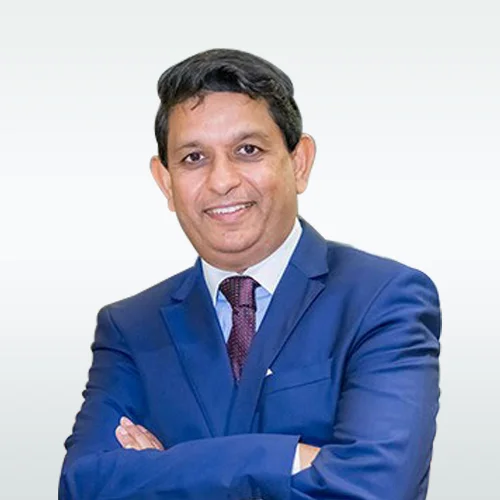
Dr. Sandeep Jain
Director / Registered Dentist
BDS (Delhi), MDS (Perio) (HK), AdvDipPeriodont (HK)
MRD RCSEd (Perio), MRACDS (Perio)
Speaks English, Hindi, Punjabi
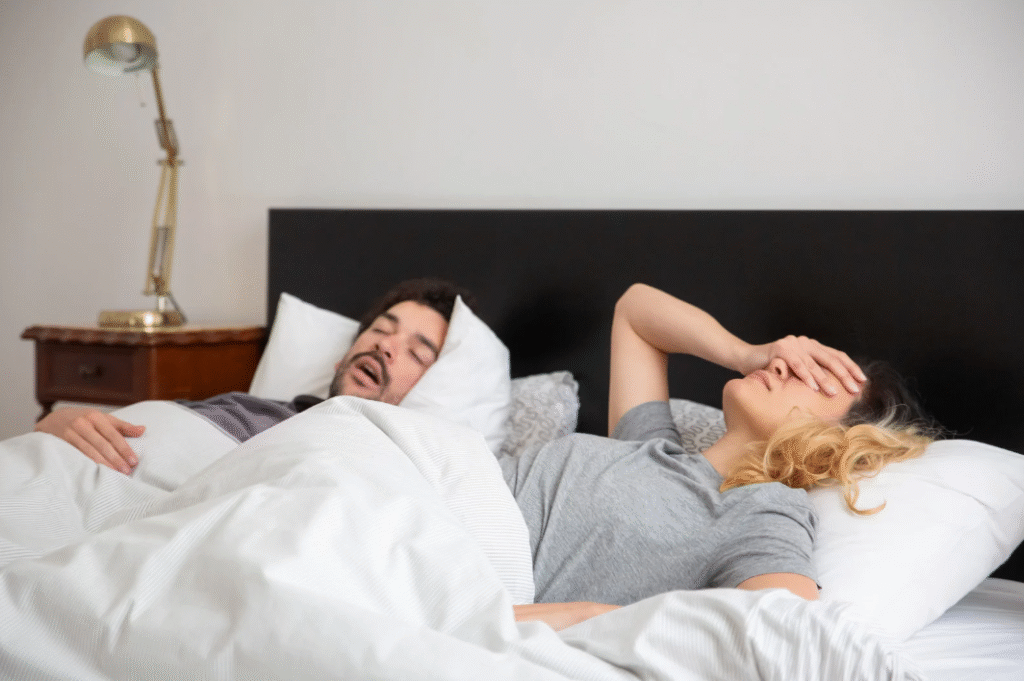
If you or someone you share a room with struggles with loud snoring or restless nights, you know how it can affect energy, mood, and overall health. At Discovery Bay Clinic, we provide thoughtful and modern care for sleep apnoea, helping you reclaim peaceful and restorative sleep. We use the TipTraQ sleep tracker and custom-made oral devices called Mandibular Advancement Devices (MADs) to offer gentle and effective treatment tailored just for you.
Book a consultation today to start your journey toward better sleep!
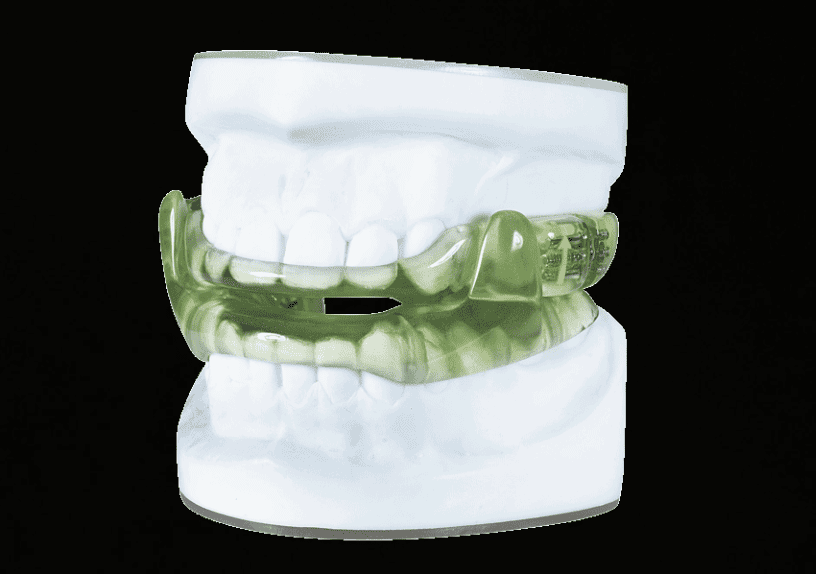
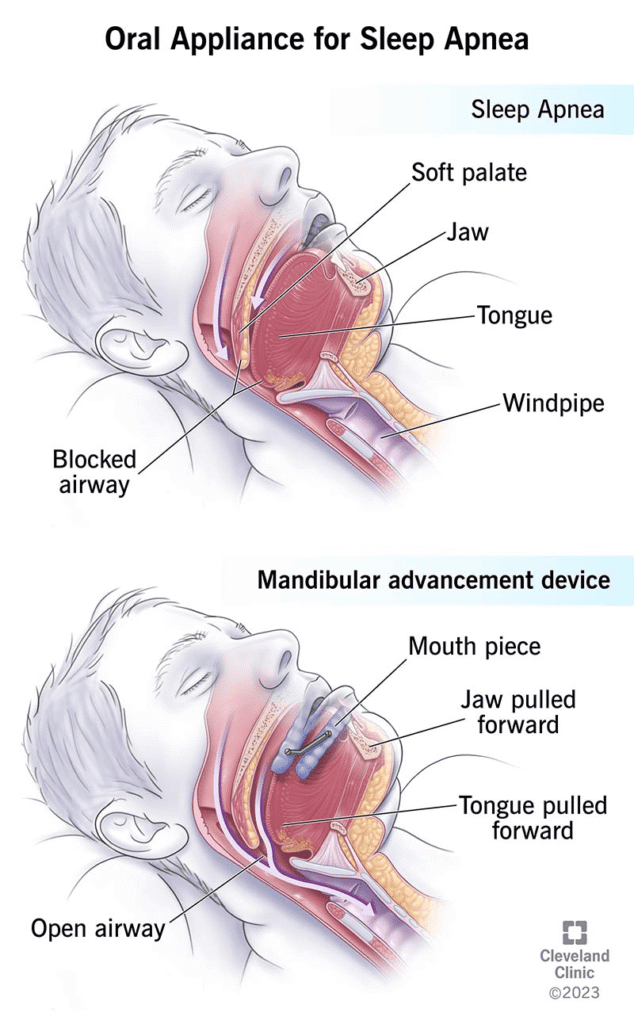
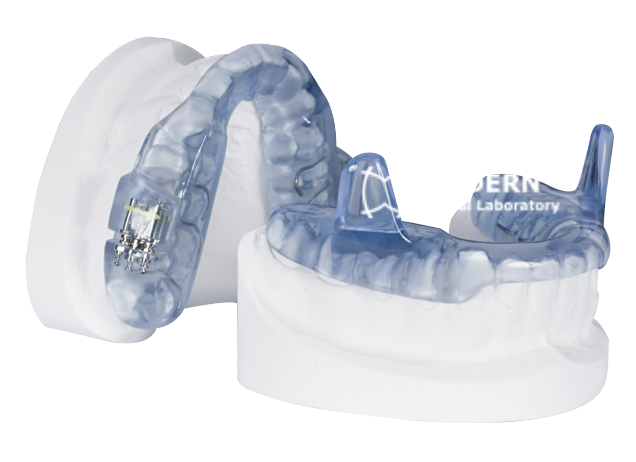
A MAD is a custom-made oral device, similar to a slim sports mouthguard, that you wear while you sleep. It’s designed to gently hold your lower jaw in a slightly forward position. This small adjustment—often just 3 to 4 millimetres—can make a significant difference in keeping your airway open throughout the night.
While over-the-counter “boil-and-bite” devices are available, they often come with challenges:
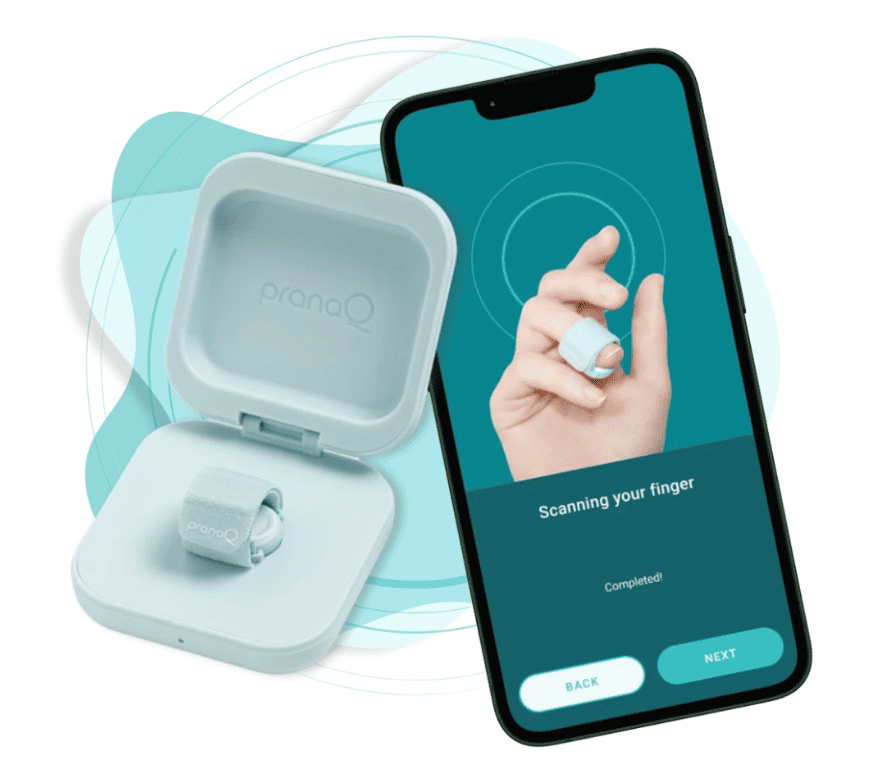
If you suspect sleep apnoea, we offer a simple and clear path to understanding what’s happening:
We provide a small, easy-to-use device (the TipTraQ) that you wear for several nights. It tracks your breathing and oxygen levels while you sleep in your own bed.
We explain what the data shows in a follow-up consultation, answering your questions in plain language.
If a MAD is a good fit for you, we create your custom device based on what we’ve learned from your test.
Sleep apnoea is a sleep disorder in which breathing repeatedly stops and starts during the night. These pauses can last from several seconds to a minute or longer and may occur dozens of times per hour. Very often, breathing resumes with a snort or gasp. This cycle interrupts deep sleep, leaving you tired even after a full night in bed.
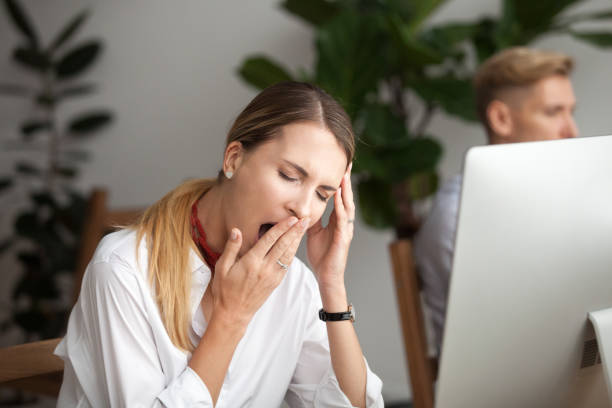
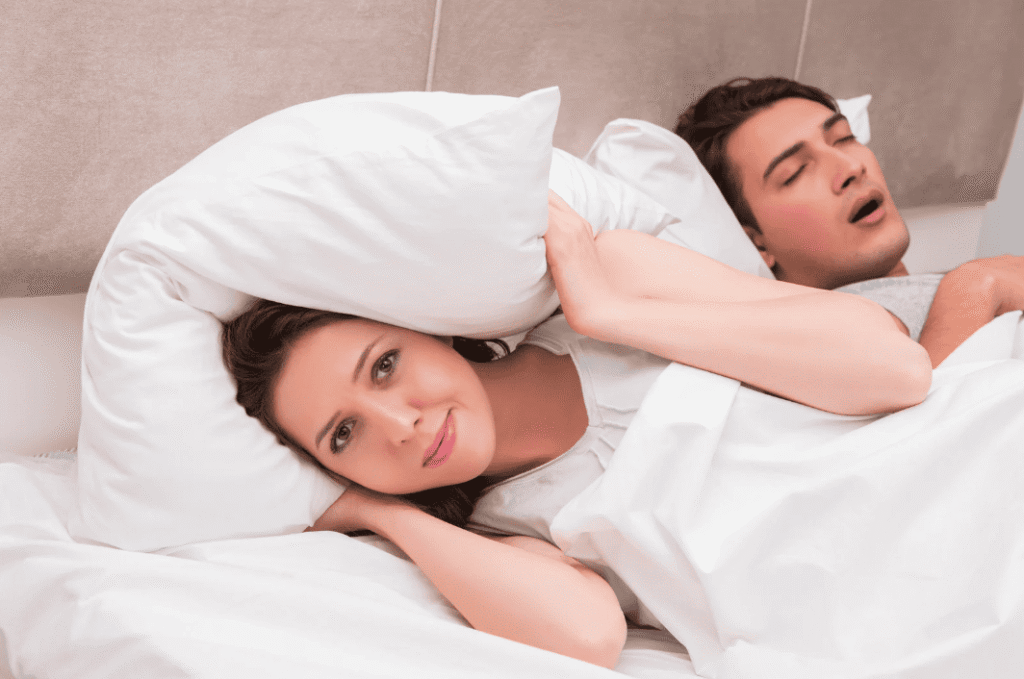
Not everyone who snores has sleep apnoea, but snoring—especially when it’s loud and frequent—is one of the most common signs.
If your snoring is often broken up by pauses, gasps, or choking sounds, it may be a sign of sleep apnoea and worth looking into further.
Left unaddressed, sleep apnoea can influence your overall wellness. It’s associated with:
Changes in oxygen levels may contribute to high blood pressure or heart concerns.
Poor sleep can make it hard to focus, dampen mood, and reduce energy.
It has been linked to a higher risk of conditions like type 2 diabetes.
It may affect memory, concentration, and how you feel day to day.
Often, the first clue something’s wrong is the sound of snoring—but the real concern is the silence that sometimes follows. Those quiet moments can signal paused breathing, which is a hallmark of sleep apnoea. Wondering if this might be you? It usually begins by paying attention to how you feel, both at night and during the day.
You might:
The good news? Finding out is straightforward!
While a sleep study is the most accurate way to know what’s happening, it doesn’t have to be complicated. Many people now do a simple test at home using a small monitor that tracks breathing and oxygen levels overnight. Information from your own wearable device can also offer helpful insights to bring to your consultation.
Sleep apnoea can affect different people, but some factors may make it more likely:
A custom-made oral device can be an excellent option, especially if you:
Selecting a device made specifically for your mouth offers meaningful benefits:
If any of this resonates with you, we invite you to reach out. We’re here to help you understand your options and support you in finding a solution that lets you wake up feeling your best.
No. Many people snore without having sleep apnoea. Get checked if your snoring often comes with pauses in breathing, gasping or choking, or if you feel tired after a full night’s sleep, are very sleepy during the day or wake with headaches. Sleep apnoea can affect blood pressure and heart health, so speak to your GP or dentist about a sleep assessment if these sound familiar.
Yes. Children can have sleep apnoea too, often because of enlarged tonsils. If your child snores loudly and often or seems to stop breathing during sleep, see a paediatrician or an ear, nose and throat (ENT) doctor first, who can assess whether treatment is needed. At check-ups, your dentist can keep an eye on your child’s teeth and bite development alongside the doctor’s advice; see Kids Dentistry.
Our home sleep screening uses a small home screening device (TipTraQ) that you wear in your own bed for several nights to record your breathing and oxygen levels; your dentist then explains the results in plain language at a follow-up visit. A sleep study at a sleep centre records more detail and is the more accurate way to diagnose sleep apnoea. Home screening is a convenient first step, and if you need a formal diagnosis, your dentist will suggest seeing a doctor or arranging a sleep study.
It depends on the type and severity of your sleep apnoea, assessed by your doctor and dentist. CPAP delivers air pressure through a mask to keep the airway open and is commonly used for moderate to severe obstructive sleep apnoea. A custom mandibular advancement device suits frequent snorers, people with mild to moderate obstructive sleep apnoea, and those who can’t get on with CPAP. Surgery is for specific structural problems. We provide custom oral devices; CPAP and surgery are arranged through a doctor.
It usually takes a little time to get used to. Over the long term, a mandibular advancement device can cause small changes to your bite, so your dentist reviews you regularly to check your bite and fine-tune the device. Because a custom device is made from a digital scan of your teeth, it spreads pressure more evenly and helps reduce the poor fit and jaw soreness that can come with generic boil-and-bite guards.
They can help. Losing weight, avoiding alcohol before bed, stopping smoking and sleeping on your side rather than your back can all reduce snoring and airway blockage, and a blocked nose is worth having checked by a doctor. Lifestyle changes alone may not be enough for moderate or more severe sleep apnoea, so if symptoms continue, have a sleep assessment before deciding on treatment such as an oral device.
The cost depends on how many nights of testing you need, your follow-up visits and making the device. The Prince Philip Dental Hospital (PPDH) private patient fee schedule cited on our fee reference page doesn’t list home sleep screening or mandibular advancement devices, so we can’t give a reference range here; please ask the clinic when booking. Reference ranges for other treatments (for reference only; not our clinic’s actual pricing, and your fee is confirmed after an examination) are on our fee reference.
Director / Registered Dentist
BDS (Delhi), MDS (Perio) (HK), AdvDipPeriodont (HK)
MRD RCSEd (Perio), MRACDS (Perio)
Speaks English, Hindi, Punjabi
Snoring or worried about sleep apnoea? Your dentist will talk through your symptoms first, then discuss suitable options with you. Both clinics are in Discovery Bay — choose the one closest to you: