
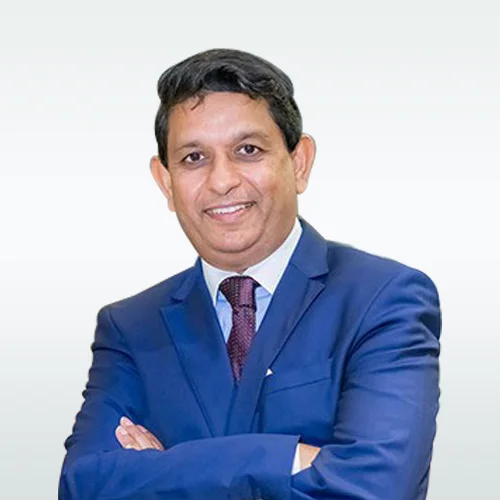
Dr. Sandeep Jain
Director / Registered Dentist
BDS (Delhi), MDS (Perio) (HK), AdvDipPeriodont (HK)
MRD RCSEd (Perio), MRACDS (Perio)
Speaks English, Hindi, Punjabi
Missing teeth can affect how you chew and speak, and nearby teeth may drift into the gap over time. Dentures are removable appliances that replace missing teeth and some of the surrounding gum tissue. Bayside Dental Discovery Bay provides complete and partial dentures, made to fit each patient’s mouth.

By extent of tooth loss
By how they are held in place
By material
| Material | Features |
|---|---|
| Acrylic base | Easy to adjust, generally lower cost |
| Metal framework | Mainly for partial dentures; thinner and stronger |
Your dentist will recommend a material based on where the teeth are missing, your bite and the condition of your gums.
When all teeth in your upper or lower jaw are missing, complete dentures are used. These removable appliances are crafted after tooth removal and gum healing. To enhance stability, your dentist may suggest pairing complete dentures with dental implants for a more secure fit.
If you still have some healthy teeth in your upper or lower jaw, partial dentures may be suitable. These removable devices fill gaps, prevent remaining teeth from shifting, and restore both form and function. Made from durable plastic or a combination of metal and plastic, partial dentures look similar to your natural teeth.
Whether you need complete dentures for full tooth replacement or partial dentures to fill specific gaps, your dentist will recommend a suitable option.
| Removable dentures | Bridge | Implant | |
|---|---|---|---|
| Surgery | No | No | Yes, plus a few months of healing |
| Neighbouring teeth | Supported by clasps or the base; removable | Adjacent teeth are shaped to hold crowns | Not involved |
| Jawbone | Does not stimulate the bone; bone loss may speed up | Does not stop bone loss under the bridge | Helps preserve the bone |
| Typical lifespan | About 5–8 years | About 10–15 years | 25+ years |
| Daily cleaning | Taken out and cleaned daily | Fixed; clean with floss or interdental brushes | Fixed; cleaned much like natural teeth |
Of the three, removable dentures generally cost less upfront and implants more. This is general information. The right option depends on how many teeth are missing, the health of your gums and bone, and your own needs, and is decided after an examination.
| Treatment | Fee range (HKD) |
|---|---|
| Full removable denture | $15,000 – $30,000 |
| Partial removable denture | $8,000 – $30,000 |
Figures are based mainly on the publicly available Prince Philip Dental Hospital (PPDH) fee schedule and are for reference only; your actual fee is confirmed after an oral examination and consultation. Fees depend on the denture type, the material, how many teeth are replaced, and whether decay, gum disease or extractions need treating first. See the full Dental Fee Reference.
Our patients often choose dentures when:
At Bayside Dental Discovery Bay, we’ll guide you to a suitable option for your mouth and lifestyle.
In the first few weeks you may notice sore spots on the gums, extra saliva, slightly unclear speech and some difficulty chewing.
Dentures can be complete or partial depending on how many teeth are missing, and removable or fixed depending on how they are held in place. Removable dentures can be taken out for cleaning; fixed dentures (for example, implant-supported) stay in the mouth. Bridges and implant crowns are also fixed restorations. Your dentist will advise which suits you after checking your teeth, gums and bone.
Based on the Prince Philip Dental Hospital fee schedule, a full removable denture is about HK$15,000–30,000 and a partial removable denture about HK$8,000–30,000. The fee depends on the type, material, number of teeth and any treatment needed first. For reference only; your actual fee is confirmed after an examination. See the full Dental Fee Reference.
Usually 2–3 visits, from about one week: examination and impressions, a try-in, then fitting and adjustment. It takes longer if teeth need to be removed and the gums need to heal first, or if a metal-framework denture is made. Your dentist will confirm the timeline.
Removable dentures typically last about 5–8 years. Your gums and jawbone change over time, so dentures can gradually loosen and may need adjusting or relining. If they stay loose, sore or hard to chew with, come in for a check to see whether a replacement is needed.
In the first few weeks you may have sore spots, more saliva or slightly unclear speech. Most people adapt gradually. Start with soft food and practise speaking. If soreness continues, return for an adjustment rather than filing the denture yourself.
Clean them every day with a soft brush and denture cleaner or mild soap. Ordinary toothpaste is abrasive and can scratch them. Soak them in a cleaning tablet or solution as advised, avoid hot water, and keep cleaning your remaining teeth and gums as usual.
Book a check first. Loose dentures usually mean your gums or bone have changed, and your dentist will see whether they need adjusting or relining. Denture adhesive can be used as your dentist advises, but it does not replace a well-fitting denture.
Removable dentures need no surgery and cost less upfront, but must be taken out and cleaned daily and typically last about 5–8 years. A bridge is fixed but requires shaping the neighbouring teeth, lasting about 10–15 years. An implant involves minor surgery and a healing period, leaves neighbouring teeth alone, helps preserve the jawbone and can last 25+ years. The choice is made after an examination.
After the adjustment period, most everyday eating and speaking return to normal, although chewing force is generally weaker than with natural teeth and dentures may shift slightly when you talk or eat. Start with soft food cut into small pieces and chew on both sides. Very hard or sticky food can dislodge or damage dentures.
Yes. Your dentist checks that the dentures still fit and looks after your remaining teeth and gums. Poorly fitting or poorly cleaned dentures raise the risk of gum inflammation, and regular check-ups and cleaning help catch problems early.
Uncontrolled gum disease, oral infection or extensive decay usually need treating before dentures are made. Where significant bone loss makes a removable denture hard to stabilise, your dentist may suggest implant-supported dentures. The plan is decided after an examination.
It is generally recommended to take them out at night and keep them in water or a cleaning solution so they stay moist. Follow your dentist’s advice on when to wear them.
Bring the denture to the clinic as soon as you can so the dentist can check whether it can be repaired or needs to be remade. Do not glue it yourself or use an online repair kit; under Hong Kong law, dental treatment must be carried out by a registered dentist. If a loose or broken denture is causing discomfort, contact the clinic to be seen promptly.
Yes. We accept Elderly Health Care Vouchers. Eligible Hong Kong residents aged 65 or above can use them towards dental services provided by a registered dentist, including dentures. The amount you can use depends on your voucher balance, so please mention it when booking and bring your Hong Kong Identity Card to the appointment.
Director / Registered Dentist
BDS (Delhi), MDS (Perio) (HK), AdvDipPeriodont (HK)
MRD RCSEd (Perio), MRACDS (Perio)
Speaks English, Hindi, Punjabi

Registered Dentist
BDS (Maharashtra University of Health Sciences, India)
Speaks English, Hindi

Specialist in Paediatric Dentistry
FCDSHK (Paed Dent), FHKAM (Dental Surgery)
BDS (Rajiv Gandhi University of Health Sciences, India), MDS (Paed Dent) (HK)
MPaed Dent RCSEd, MPaed Dent RCS (Eng)
Speaks English, Hindi
Contact us to arrange a consultation. Your dentist will examine your mouth first, then discuss suitable denture options and fees with you. Both clinics are in Discovery Bay — choose the one closest to you: