📌 Quick Guide: Cavities in baby teeth
- 🦷Spotting the Signs
- Visible white spots or dark lines appearing on tooth surfaces.
- Discomfort during meals or sensitivity to hot, cold, sweet, or sour foods.
- Unexplained irritability and restless sleep in younger children.
- 🔍Common Causes
- Improper Feeding Habits: Long-term use of pacifiers or sleeping with a milk bottle.
- Diet & Hygiene: Frequent sugary snacks combined with inadequate brushing.
- Genetics: Natural predispositions in tooth enamel strength.
- 🛡️ Golden Windows for Prevention
- Ages 0–3: Focus on establishing a consistent oral cleaning routine.
- Ages 3–6: Protect molars with Fissure Sealants and regular Fluoride Treatments.
- Ages 6–12: Closely monitor the transition as permanent teeth begin to erupt.
- 💰 Estimated Costs for Prevention & Treatment (Reference: Private fees at the Prince Philip Dental Hospital)
- Preventive Care:
- Fluoride Treatment (Gel/Varnish, per tooth): HK$500 – $700
- Fissure Sealants: HK$500 – $800
- Regular Examination/Consultation: HK$600 – $2,500
- Restorative Treatment:
- Pediatric Fillings: HK$600 – $1,500
- Pulpectomy (Baby tooth root canal): HK$1,500 – $4,000
- Extractions: HK$500 – $1,000
- Preventive Care:
Why Should We Not Ignore Cavities in Baby Teeth?
Many parents believe that baby teeth are temporary and therefore not worth worrying about, assuming they will simply be replaced by permanent teeth. However, this view overlooks several important risks:
Impact on Permanent Teeth Development
- Beneath each baby tooth lies the developing permanent tooth bud. If a baby tooth becomes severely decayed, bacteria can spread down through the tooth root and directly affect the developing permanent tooth. This can lead to enamel defects, discoloration, or even prevent the permanent tooth from erupting properly.
Impact on Facial Development and Chewing Function
- Tooth pain may cause a child to avoid chewing on the affected side. Over time, this habit of unilateral chewing can lead to asymmetrical facial muscle development, resulting in an uneven appearance. Inadequate chewing also affects digestion and nutrient absorption, potentially impacting the child’s growth and overall development.
Impact on Psychological Well‑being and Social Interaction
- A healthy, bright smile is the foundation of self‑confidence. Severely decayed or discolored baby teeth can make a child feel self‑conscious among peers, leading them to hide their smile. This can affect social interactions and emotional well‑being.
💡Health Tips: The health of baby teeth is the foundation for a child’s long‑term oral health. Regular dental cleanings remove plaque and tartar, providing deep cleaning for baby teeth – an effective way to prevent cavities.

The Development of Cavities in Baby Teeth: Three Key Stages
Tooth decay does not develop overnight—it progresses through a series of stages. Understanding these stages is essential for timely intervention.
Stage 1: Early Decay
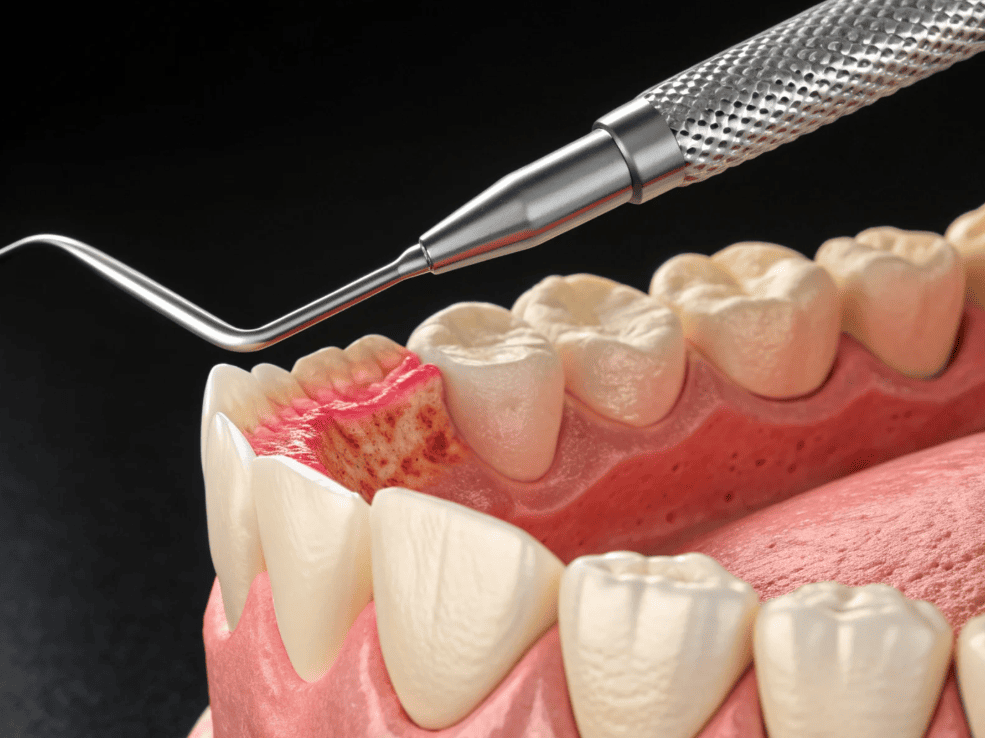
White chalky spots or fine brown lines appear on the tooth surface or within the grooves of the chewing surface. These are early signs that decay‑causing bacteria have taken hold. These bacteria convert sugars from food residues into acids, which gradually dissolve the minerals in the tooth enamel.
At this stage, the tooth surface may still appear intact, but its structure beneath is already becoming weakened. This is a critical window for reversal—by improving oral hygiene, using fluoride toothpaste, or receiving fluoride application under a dentist’s guidance, it is possible to promote remineralization and reverse the decay.
Stage 2: Moderate Decay
When a child experiences brief pain when drinking cold beverages or eating sweets, it indicates that bacteria have penetrated the hard enamel and reached the softer dentin layer beneath. Dentin contains tiny tubules that connect to the nerve; temperature changes can stimulate these tubules, causing discomfort.
By this stage, a visible cavity has formed on the tooth, often trapping food debris and accelerating further damage. Treatment by a dentist is essential at this stage—the decayed tissue must be removed and the cavity restored with a filling material such as composite resin.
Stage 3: Deep Decay
Sudden severe tooth pain, sometimes accompanied by swelling on one side of the face, signals that bacteria have invaded the dental pulp—the innermost chamber of the tooth. Infection causes inflammation and pus formation, creating pressure within the confined pulp chamber, leading to intense pain.
At this advanced stage, a simple filling is no longer sufficient. Root canal treatment is required—the infected tissue is removed, the canals are disinfected, and the space is sealed. This procedure is a thorough internal cleaning of the tooth, requiring multiple visits and higher costs. In severe cases where the infection cannot be controlled, the tooth may need to be extracted.
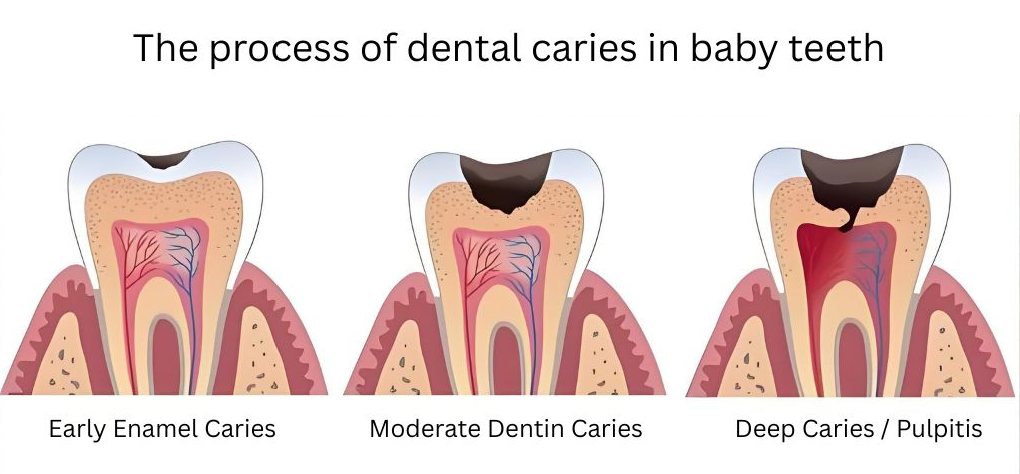
Stages of cavity development in baby teeth
Hidden Sources of Sugar: Overlooked Risk Factors for Cavities in Baby Teeth
Many parents assume that limiting sweets and chocolate is enough to prevent cavities. However, many foods marketed as “healthy” can contain surprisingly high amounts of sugar.
- Flavored Dairy Products: Children’s yogurt and fermented milk drinks often contain added sugar to enhance taste. A single bottle may already exceed half of a child’s recommended daily sugar intake.
- Breakfast Cereals: Some instant cereals marketed as “nutritious” can contain 20% to 30% sugar.
- Condiments: Ketchup, salad dressings, and similar condiments can also contain significant amounts of sugar.
- Fruit Juice: Even fresh‑squeezed juice releases free sugars. Regular consumption increases the risk of tooth decay.
The World Health Organization recommends limiting free sugar intake to less than 10% of total energy intake. Parents are encouraged to develop the habit of reading nutrition labels, paying attention to terms such as “sugar,” “sucrose,” “fructose,” and “corn syrup.”
Related Reading: World Health Organization – Healthy diet
Age‑by‑Age Guide to Oral Care: Laying a Strong Foundation from Birth
- 0–3 Years: Teething Stage – Building Healthy Habits
- Cleaning: Before the first tooth appears, gently wipe the gums with a soft gauze pad moistened with water. Once teeth begin to erupt, switch to a silicone finger brush or a soft‑bristled children’s toothbrush. Clean the teeth twice a day.
- Avoid Bottle Feeding at Bedtime: To prevent “baby bottle tooth decay,” do not let a child fall asleep with a bottle. If needed, offer plain water instead.
- First Dental Visit: It is recommended that a child have their first dental check‑up within six months after the first tooth appears, or by their first birthday, to help them become familiar with the dental environment.
- 3–6 Years: Primary Dentition Stage – Strengthening Protection
- Pit and Fissure Sealants: Ages 3 to 4 are the optimal time to apply sealants to primary molars. The grooves on the chewing surfaces of back teeth easily trap food debris; sealants create a protective barrier that significantly reduces the risk of decay.
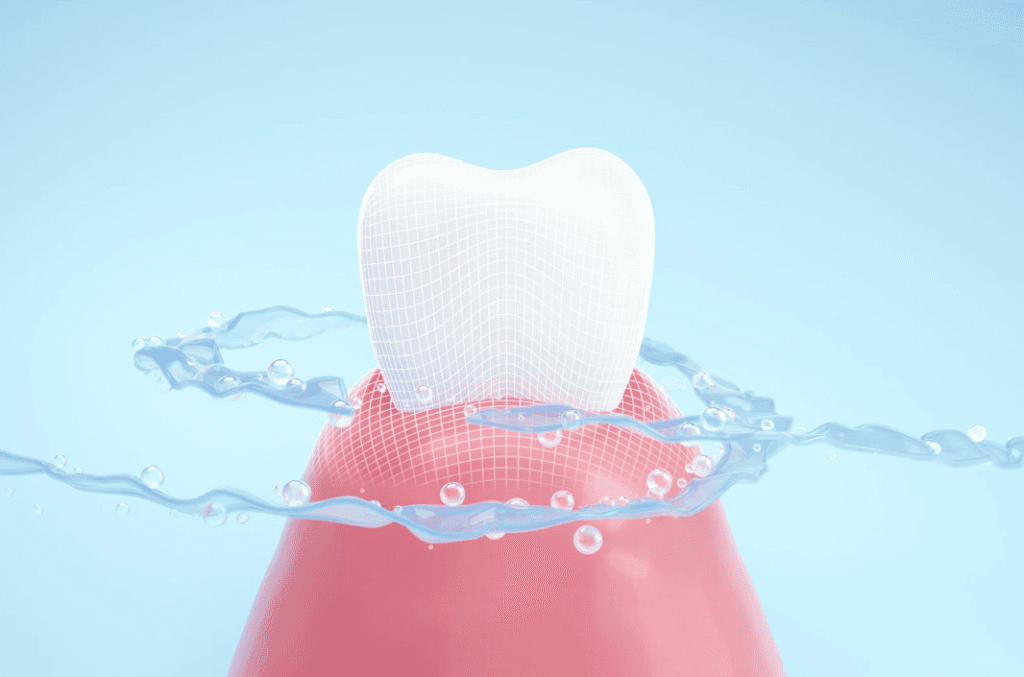
- Regular Fluoride Application: Professional fluoride application is recommended every 3 to 6 months. Fluoride strengthens enamel against acid attacks and promotes remineralization of early decay.
- Establishing Proper Brushing Habits: Parents should assist with brushing at this stage. Use a children’s fluoride toothpaste (500 ppm), with an amount about the size of a pea, and ensure all tooth surfaces are cleaned thoroughly.
- 6–12 Years: Mixed Dentition Stage – Monitoring the Transition
- Protecting the Six‑Year Molars: The first permanent molars (six‑year molars) erupt around age 6. These are the first permanent teeth to appear and bear most of the chewing load. Timely application of pit and fissure sealants provides long‑lasting protection for these four key teeth.
- Monitoring Eruption: Check that primary teeth are shedding on schedule and permanent teeth are erupting normally. If a “double row” of teeth occurs (the primary tooth has not fallen out while the permanent tooth is already emerging), seek dental care promptly to have the retained primary tooth removed.
- Dietary Guidance: Encourage children to eat fibrous foods such as apples and celery. Chewing these foods helps promote jaw development and creates adequate space for permanent teeth.
💡 Health Tip
Since 1961, Hong Kong has added fluoride to its drinking water. This has helped cut tooth decay in 12‑year‑olds from over 90% (1960) to just 16.3% (2021). The fluoride level is kept at 0.5 ppm — well below the WHO safety limit of 1.0 ppm. At this safe level, fluoridated water plus fluoride toothpaste offers strong, safe protection for your child’s teeth. The benefits far outweigh any risks.
Related Reading: Effectiveness of fluoride in prevention of tooth decay
Essential Checklist for Parents: Preventing Cavities in Baby Teeth
🏠 Home Care
- Proper Brushing: Brush twice a day, for at least two minutes each time. For children under 6, parental assistance or supervision is recommended.
- Use Dental Floss: When teeth become closely spaced, begin using dental floss to clean between them.
- Control Diet: Limit the frequency of snacks and avoid eating before bedtime. After meals or sweet drinks, rinse with water.
- Fluoride Toothpaste: Choose a fluoride toothpaste. Use an amount the size of a grain of rice for children under 3, and a pea‑sized amount for children 3 and older.
🏥Professional Care
- Proper Brushing: Brush twice a day, for at least two minutes each time. For children under 6, parental assistance or supervision is recommended.
- Use Dental Floss: When teeth become closely spaced, begin using dental floss to clean between them.
- Control Diet: Limit the frequency of snacks and avoid eating before bedtime. After meals or sweet drinks, rinse with water.
- Fluoride Toothpaste: Choose a fluoride toothpaste. Use an amount the size of a grain of rice for children under 3, and a pea‑sized amount for children 3 and older.
2026 Cavities in baby teethTreatment Options & Cost Reference
The following prices are based on the Private Patient Fee Schedule of The Prince Philip Dental Hospital and are for reference only. Actual fees charged by private dental clinics may vary depending on the dentist’s experience, equipment used, clinic location, and case complexity. Please consult your dentist for an accurate quote.
| Treatment Item | Fee Range (HKD) | Note |
| Examination/Consultation | $600 – $2500 | – |
| Cleaning | $500 – $1,500 | – |
| Fluoride Varnish Treatment(Fluoride Gel/Fluoride Varnish) | $500 – $700 | (per tooth) |
| Fissure Sealant | $500 – $800 | (per tooth) |
| Caries Stabilization | $500 – $1000 | – |
| Paediatric – Composite/Amalgam | $600 – $1500 | – |
| Extraction of Primary Tooth | $500 – $1000 | – |
💡 Conclusion: Building a Foundation for Your Child’s Smile
From baby teeth to permanent teeth, every step of a child’s oral health journey relies on the attentive care of parents. Cavities in baby teeth are not inevitable. With the right preventive measures and the establishment of good habits early on, children can avoid the pain of tooth decay and smile with confidence.
💡Health Tips: Prevention is always more cost‑effective than treatment. Every regular check‑up, every proper brushing, and every healthy food choice is an investment in your child’s long‑term well‑being.
Start building the foundation for your child’s smile today.
Bayside Dental Discovery Bay | Same‑Day Appointments Available

Frequently Asked Questions About Cavities in Baby Teeth
Do cavities in baby teeth need treatment? Can’t we just wait for them to fall out?
Absolutely not. Untreated cavities in baby teeth can cause pain, affect eating and sleeping, and more importantly, the infection can spread downward and damage the developing permanent tooth bud beneath. This can lead to enamel defects (such as white spots or pits) or misalignment of the permanent teeth when they eventually erupt.
Furthermore, severe decay can lead to premature tooth loss, causing adjacent teeth to tilt into the empty space. This reduces the space available for the permanent tooth, often resulting in crowding or crookedness. Early treatment is essential for your child’s long‑term oral health.
Can a decayed baby tooth simply be extracted? What are the consequences?
Unless a baby tooth is too decayed to be restored, it should not be extracted lightly.
Baby teeth have two important roles: they guide the permanent tooth into its correct position and maintain the length and width of the dental arch.
If a baby tooth is lost too early without using a space maintainer, the adjacent teeth will tilt into the gap and the opposing tooth may over‑erupt. This will reduce the space available for the permanent tooth, often causing severe crowding.
Therefore, if extraction is unavoidable, a space maintainer is usually recommended to “hold the space” for the permanent tooth.
In what situations does a decayed baby tooth need a crown (stainless steel crown)?
When a baby tooth has a large cavity or has undergone root canal treatment, its structure becomes weak. Ordinary fillings may easily fall off or lead to recurrent decay.
In such cases, a stainless steel crown (often called a “baby crown”) is recommended. It fully encases the tooth, providing strong protection against fracture and significantly reducing the risk of new decay.
The crown will naturally fall out with the baby tooth when it is time for it to exfoliate, and does not affect the growth of the permanent tooth.
Why does a decayed baby tooth need root canal treatment? Will it affect the permanent tooth?
When decay reaches the dental pulp and causes spontaneous pain or infection, root canal treatment is the only way to save the tooth and relieve pain.
The procedure removes the infected pulp tissue and fills the canals with a resorbable material, preventing bacteria from spreading further.
Performed by a professional dentist, root canal treatment on a baby tooth does not harm the permanent tooth bud underneath. On the contrary, it eliminates apical inflammation, protecting the permanent tooth and allowing it to develop healthily.
My child is afraid of the dentist. How can I help them cooperate?
Our professional paediatric dental team excels at communicating with children in a fun and engaging way. Through relaxed, gentle interactions, we help children gradually become familiar with the treatment environment and ease their fears.
The clinic environment at Bayside Dental Discovery Bay is warm and child‑friendly. Our staff treats every child with patience and gentleness, ensuring they feel at ease throughout their dental visit.
For more complex treatments, we will discuss the most appropriate arrangements with parents based on the individual situation.
How can I effectively prevent cavities in my child? What are the key measures?
Preventing cavities in children requires a two‑pronged approach:
• At‑home care: From the eruption of the first tooth, brush twice daily with fluoride toothpaste (rice‑grain sized for under‑3s, pea‑sized for over‑3s); start flossing when teeth touch; limit sugary snacks and avoid eating before bedtime.
• Professional prevention: Schedule a dental check‑up and fluoride varnish application every six months; have pit and fissure sealants applied to newly erupted primary molars and six‑year molars.
Besides fluoride varnish and fluoride toothpaste, what else can help prevent cavities in baby teeth?
Yes, there is. Since 1961, Hong Kong has added fluoride to its drinking water – a safe and effective public health measure.
Drinking fluoridated water daily, together with brushing with fluoride toothpaste, provides continuous dual protection for your child’s teeth, effectively lowering the risk of cavities.
Data shows that the proportion of 12‑year‑old children with experience of tooth decay dropped from over 90% in 1960 to just 16.3% in 2021. The fluoride level in Hong Kong’s tap water is strictly controlled at 0.5 ppm, well below the WHO safety limit of 1.0 ppm – so parents can feel completely at ease.
At what age should I take my child to the dentist for the first time? What will happen at the first visit?
It is recommended that a child has their first dental visit within six months after the first baby tooth appears, or by their first birthday.
The first visit is mainly to help the child become familiar with the dental environment and build trust. The dentist will also assess the child’s caries risk, provide guidance on proper cleaning techniques and dietary habits, and apply fluoride varnish if appropriate.
My child brushes every day. Why do they still get cavities?
Daily brushing is essential, but several factors are often overlooked:
• Incorrect brushing technique fails to clean the gum line and between teeth;
• Not using floss leaves plaque on the adjacent surfaces of teeth;
• High‑frequency snacking on sugary foods or drinks keeps the mouth in an acidic environment;
• Insufficient fluoride in toothpaste or using too little may not provide adequate remineralisation protection.
What should I do if my child has “shark teeth” (double row of teeth)?
“Shark teeth” occur when a permanent tooth erupts behind a baby tooth that hasn’t fallen out, most commonly in the lower front teeth.
Usually, there’s no need to worry. Encourage your child to eat harder foods (such as apples or corn) to help loosen the baby tooth through chewing.
If the baby tooth remains very firm after some time, a dentist should assess whether it needs to be extracted, so that the permanent tooth can move into its correct position.