Crooked teeth do not always mean that a child needs braces straight away. An orthodontic assessment looks at tooth development, alignment and bite to help decide whether to monitor or begin treatment. Clear aligners and fixed braces have different requirements. A dentist should discuss the options with the family, taking the child’s needs and daily routine into account.
When should a child have a first orthodontic assessment?
The American Association of Orthodontists recommends a first orthodontic check-up no later than age 7. This is an assessment recommendation, not a requirement for every child to start treatment at 7. Being older than 7 does not mean it is too late to be assessed.
The outcome may be no treatment at present, periodic monitoring, or consideration of early treatment for an identified problem. Age, visible crowding or another child’s experience should not decide the plan on their own.
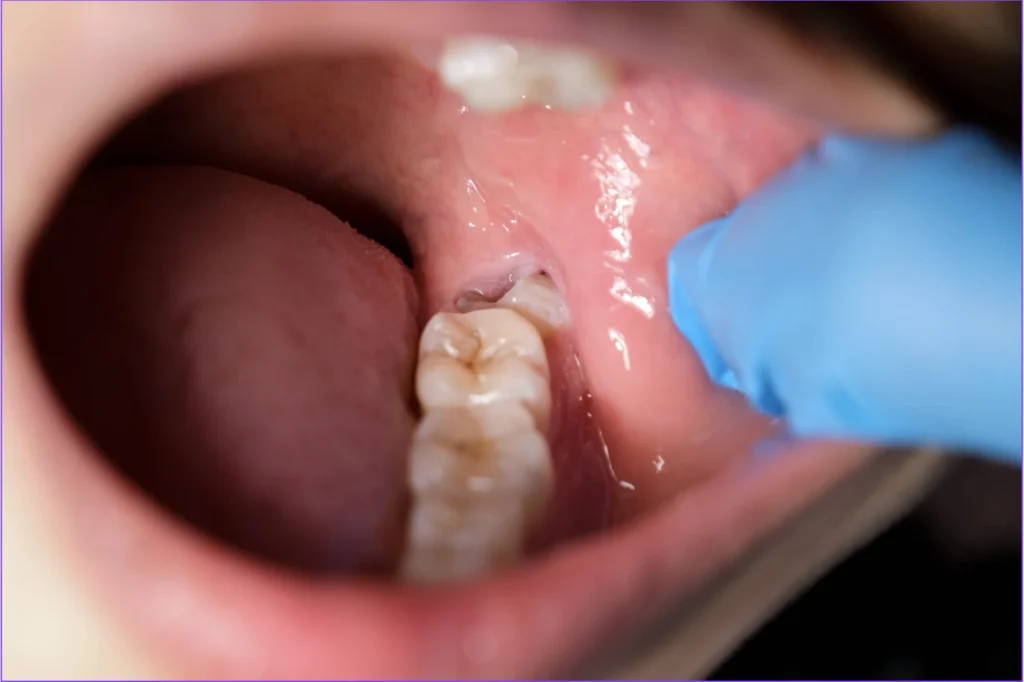
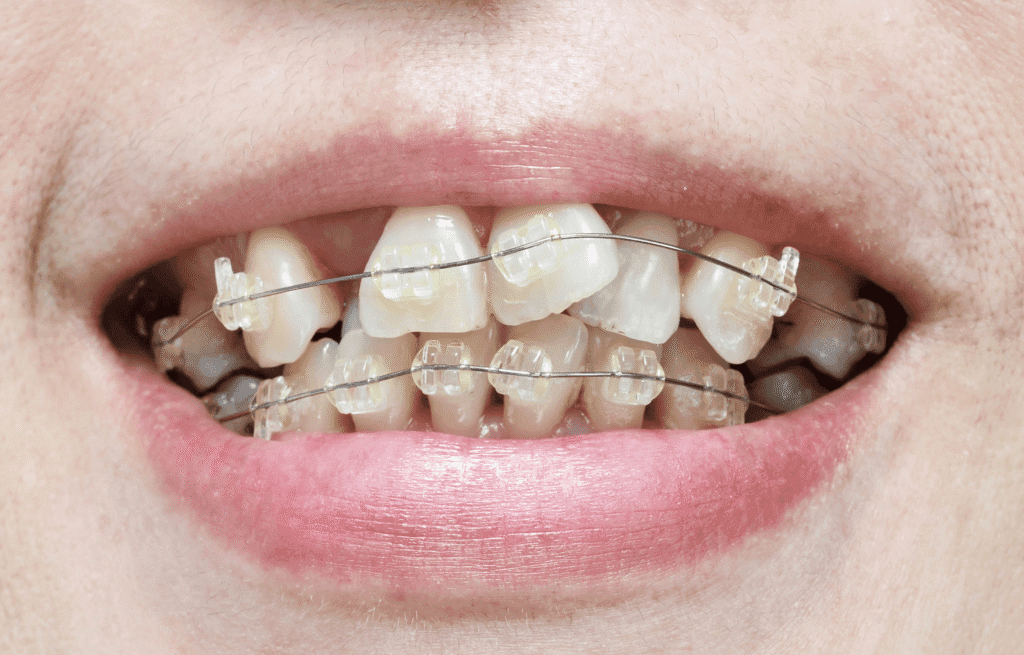
If you notice an unusual bite, marked crowding or have questions about how adult teeth are coming through, raise them with a dentist. These are reasons to ask for an assessment, not a way to diagnose the problem from a photograph.
How do early assessment, early treatment and comprehensive braces differ?
Early assessment helps identify a problem and its timing. Some children need monitoring. For certain developing bite or jaw problems, earlier treatment may be considered. Comprehensive treatment is planned according to tooth development and the individual treatment needs.
Not every child needs two phases of treatment. Having an early phase does not establish whether comprehensive treatment will be needed later. Ask: “What would treatment address now? What are the reasons to monitor? Could another phase be needed?”
How do clear aligners compare with fixed braces?
Both require planning and supervision. Fixed braces still need cooperation. Removable aligners also require consistent wear as directed.
| What to consider | Clear aligners, such as Invisalign | Fixed braces |
|---|---|---|
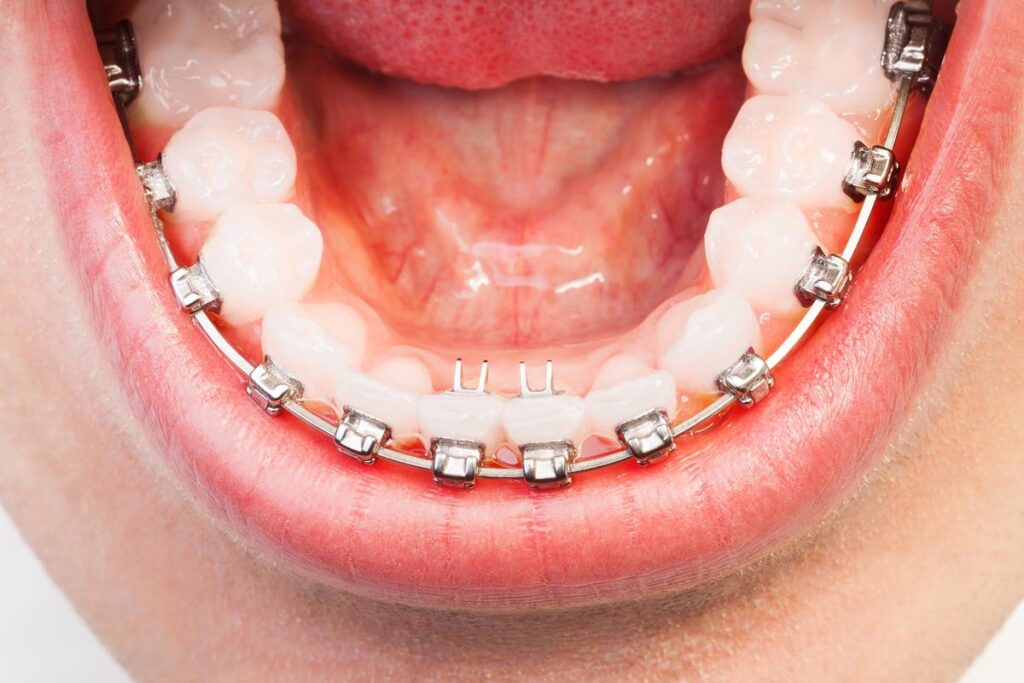
| Wearing them | Removable; consistent wear and changes as directed are needed | Attached to the teeth; cannot be removed at home. Elastics or other instructions may still need cooperation |
| Cleaning and food | Remove as directed for meals and cleaning; clean before putting them back | Clean around brackets and wires, and avoid foods that may damage the appliance as instructed |
| Daily management | Remember wear time and storage; contact the clinic if an aligner is lost or does not fit | Watch for loose brackets or wire problems and attend reviews |
| Initial discomfort | Pressure or soreness may occur after changing aligners; experiences vary | Soreness may follow fitting or adjustments; brackets or wires may rub the mouth |
| Suitability | Depends on tooth development, alignment, bite and ability to follow wear instructions | Also requires an individual assessment; age or apparent complexity alone cannot determine the choice |
Read about our Invisalign service in Discovery Bay if you are considering aligners. Ask the dentist which appliances and treatment options are appropriate and available for your child.
What will the child and family need to do?
If aligners are selected, ask the dentist to confirm the daily wear time, when to remove them and when to change them. Being removable does not mean they can regularly be left out. Fixed braces also require cleaning, reviews and cooperation with any prescribed auxiliaries.
Have decay or gum problems assessed and treated before starting, and discuss whether the child can manage the cleaning routine. Ask how to change aligners, attend reviews and contact the clinic about problems. Review intervals and completion dates vary by appliance and case; one timetable does not fit every child.
After treatment, retainers must be worn as directed to help maintain tooth position. The dentist will explain the type, wear schedule and follow-up arrangements.
Children’s braces costs: what should you ask before accepting a quotation?
Fees depend on treatment needs, appliances, scope and follow-up. Age and appearance are not enough to compare plans. Check whether the plan covers one arch or both and whether separate phases of treatment are involved.
Ask for a written treatment plan and check:
- Are the examination, treatment planning, X-rays or scans charged separately?
- Which appliances, treatment scope and phases are included?
- How are routine reviews, refinements or lost aligners charged?
- Are retainers and follow-up included?
- Is any filling or other treatment needed beforehand charged separately?
Our dental fee reference explains its public sources and limitations. Those figures are not the clinic’s actual quotation. Your child’s plan and fees are confirmed after examination and consultation.
Frequently asked questions
1. Does an assessment at 7 mean starting braces immediately?
No. The recommendation may be no treatment at present, monitoring, or consideration of early treatment, depending on development and bite.
2. Should we wait until all the baby teeth have fallen out?
You do not need to wait until every adult tooth has emerged to raise a concern. Assessment and starting treatment are separate decisions.
3. Are fixed braces always better for a less disciplined child?
Wear compliance matters, but it is not the only factor. Fixed braces still require cleaning, reviews and cooperation with individual instructions. Discuss the choice with the dentist.
4. Is Invisalign suitable for every child?
No. Tooth development, alignment, bite, treatment needs and consistent wear all need assessment. The dentist should confirm the appropriate appliance or product.
5. How long will treatment take?
It depends on the problem, development, appliance and cooperation. Ask about the expected phases, reviews and factors that could change the plan rather than relying on a fixed completion date.
6. Can treatment start with untreated decay or gum problems?
Have these assessed and treated first, and establish a suitable cleaning routine before orthodontic treatment. Our guide to cavities in baby teeth explains related concerns.
7. Will retainers be needed afterwards?
Retainers and follow-up are needed as directed to help maintain tooth position. Care does not end when braces are removed.
Arranging an assessment in Discovery Bay
Bayside Dental Discovery Bay has clinics at DB North Plaza and DB Plaza. Discuss tooth development, alignment, bite and cooperation with a dentist to understand whether treatment is needed, when to consider it and the next steps.
- DB North Plaza: +852 2987 0855
- DB Plaza: +852 2285 8068
Service information: braces and orthodontics. Related care: kids dentistry.