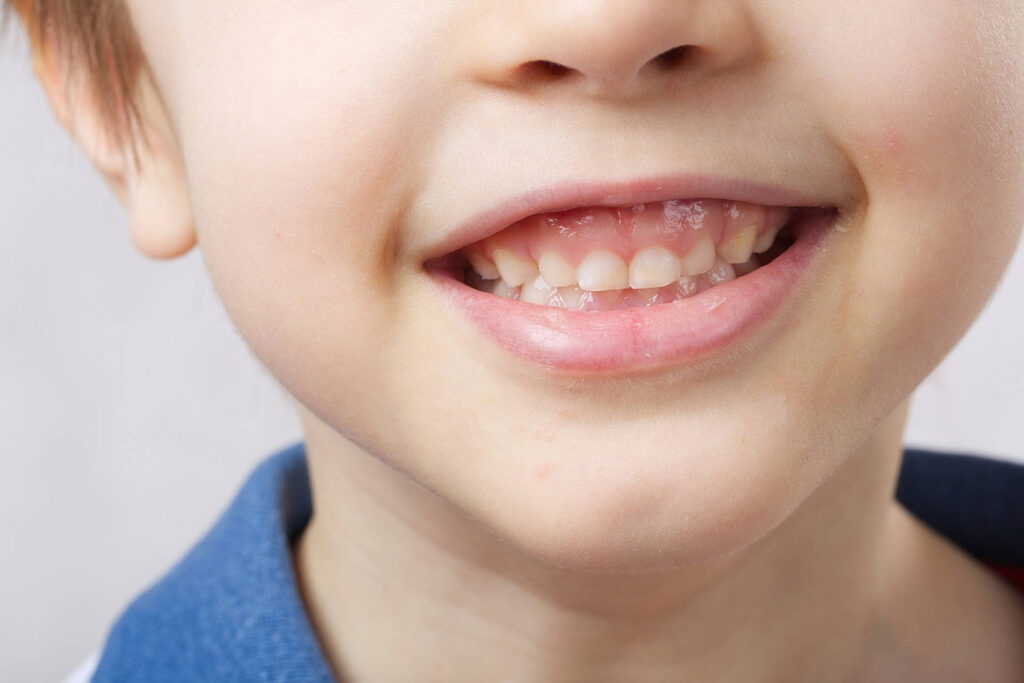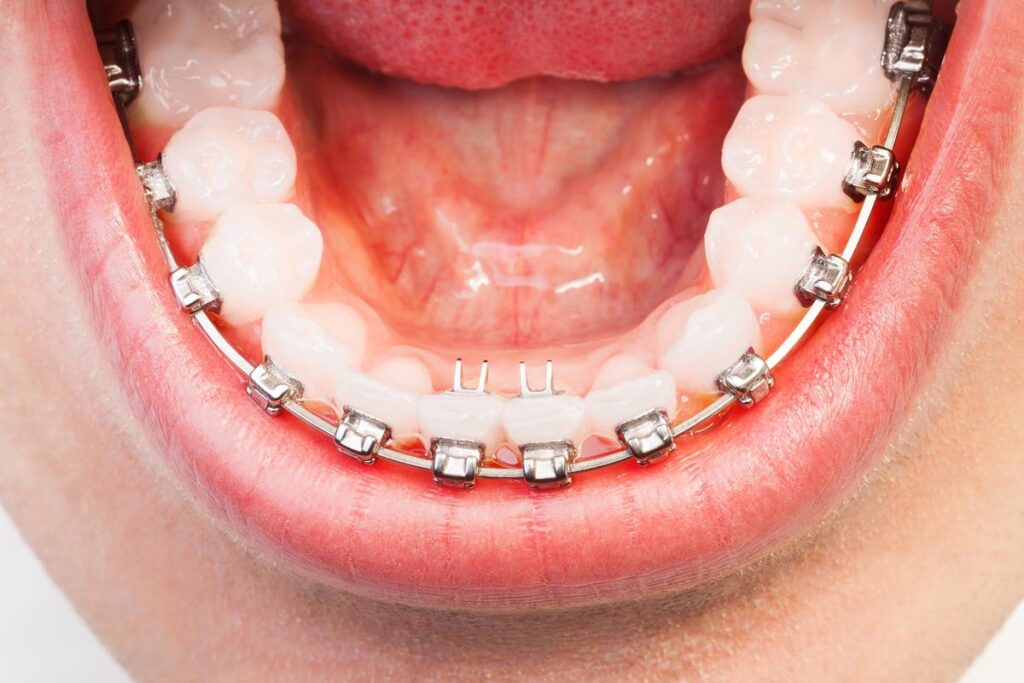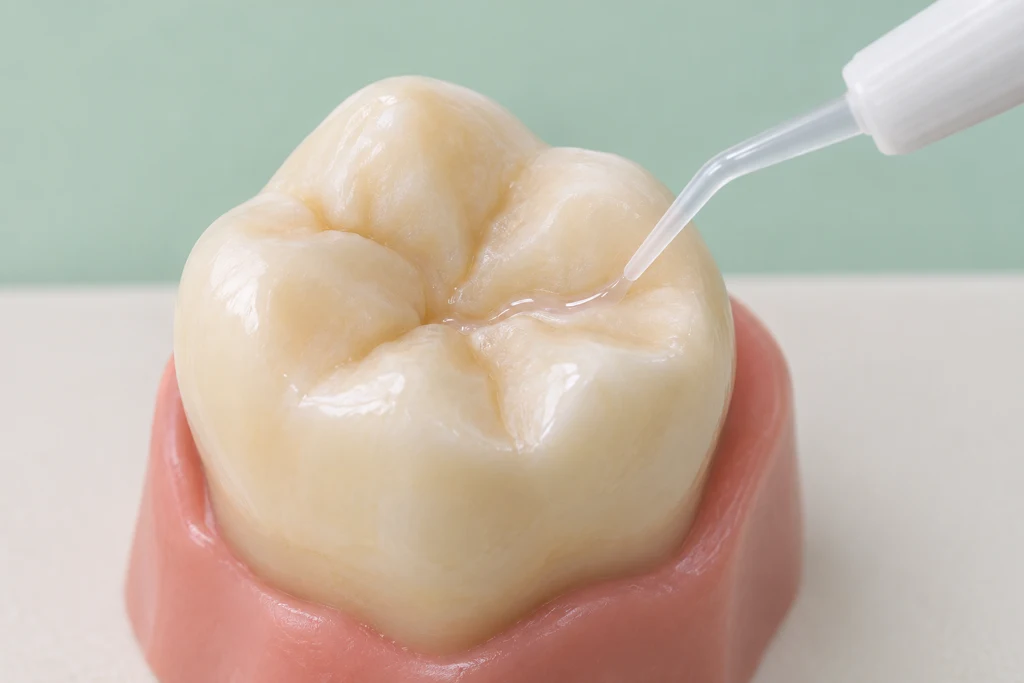

Orthodontic treatment with braces is a common dental treatment designed to correct tooth alignment, improve bite function, and enhance smile aesthetics. Whether for health or appearance, braces can bring significant improvements. With advancing technology, orthodontic treatment options have become increasingly diverse. This article delves into the costs, process, and types of braces, helping you understand the treatment and decide if it’s right for you.
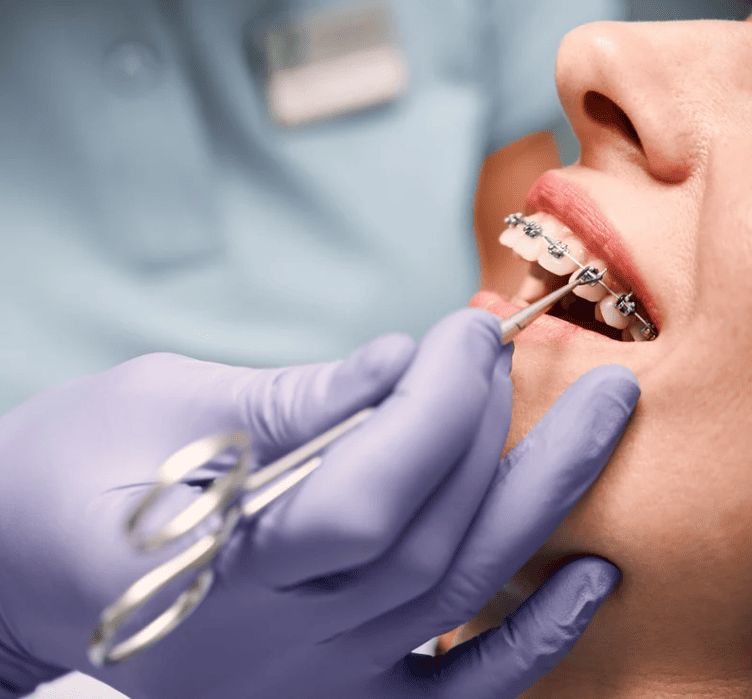
Quick Answer: Braces in Hong Kong

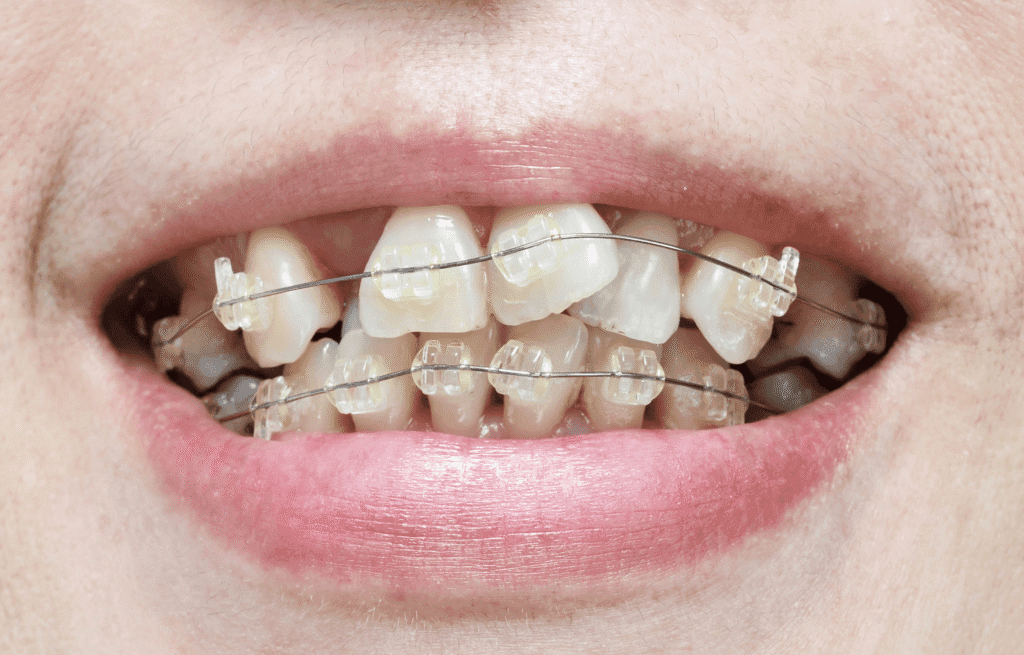
Orthodontics, commonly known as braces, is a specialized dental treatment that combines scientific precision and advanced technology to reposition teeth and improve bite function. The core mechanism involves the following key processes:
Orthodontic appliances (such as metal braces, ceramic braces, or Invisalign clear aligners) apply gentle, consistent pressure to guide teeth into their desired positions within the alveolar bone. This pressure stimulates the surrounding periodontal tissues, facilitating controlled tooth movement.
As teeth shift, the alveolar bone reshapes around their new positions, ensuring long-term stability of the corrected alignment.
Beyond aligning teeth, orthodontics corrects bite issues, such as overbites, underbites, or gaps, to achieve a balanced and functional occlusion.
Orthodontics is more than a cosmetic enhancement; it is a transformative investment in oral health and overall quality of life. Below are four key reasons why orthodontics may be essential:
Misaligned teeth create hard-to-clean areas, increasing the risk of plaque buildup, cavities, and gum disease. Orthodontics aligns teeth for easier cleaning, reducing the likelihood of dental issues and promoting long-term oral health.
Bite problems, such as overbites, underbites, or crowded teeth, can lead to chewing difficulties, excessive tooth wear, or temporomandibular joint (TMJ) pain. Orthodontic treatment corrects these issues, enhancing chewing efficiency and minimizing stress on teeth and jaw joints.
A well-aligned smile is a powerful asset in workplaces and social scenes. Whether in boardrooms, restaurants, or public speaking engagements, straight teeth enhance appearance, fostering greater self-assurance in professional and personal interactions.
Misaligned teeth can contribute to root damage, gum recession, or uneven bite pressure, potentially requiring complex dental treatments later. Orthodontics serves as a preventive measure, mitigating these risks and saving patients from costly and uncomfortable procedures in the future.
Learn More: Visit our Braces Service Page for detailed information on our orthodontic services.
We provide orthodontic treatment to help you achieve a confident, healthy smile. Our experienced team offers personalized care for all your oral health needs.

We Accept Health Care Vouchers!

Orthodontic treatment offers a variety of braces, each with distinct advantages and suitability depending on your needs. At Bayside Dental Discovery Bay, your dentist examines your teeth and bite before discussing fixed metal or ceramic braces and removable Invisalign aligners. See our braces and orthodontics service for details about an assessment.
For assessment and treatment information, see our Invisalign service in Discovery Bay.

Orthodontic treatment not only enhances the beauty of your smile but also delivers significant health benefits. Here are the key advantages of braces, making them a worthwhile investment for Hong Kong patients:
Correcting misaligned bites reduces tooth wear and lowers the risk of temporomandibular joint (TMJ) pain, ensuring comfortable chewing and long-term oral health.
Straight teeth are easier to clean, reducing plaque buildup and minimizing the risk of cavities and gum disease, which is especially important in Hong Kong’s food-loving culture.
A radiant smile elevates personal appearance and social confidence, empowering you in professional settings, social gatherings, or public speaking engagements.
Misaligned teeth can lead to root damage or gum issues. Orthodontics prevents these problems, saving you from costly and complex dental treatments in the future.

Orthodontic treatment, or braces, is a meticulous process requiring professional expertise and patient cooperation to achieve optimal tooth alignment and bite function. Below is an overview of the standard treatment stages commonly followed by dental clinics in Hong Kong, helping you understand the journey to a perfect smile:
Learn More: Visit our Braces Service Page for practical tips to prepare for your orthodontic journey and optimize your experience.

The Prince Philip Dental Hospital’s published private-patient schedule lists fixed braces for one arch at HK$35,000–50,000. These figures are for reference only, not our clinic’s actual fees or a Hong Kong market average. Your treatment plan and fees are confirmed after consultation.
Source: The Prince Philip Dental Hospital. For reference only, not our clinic’s actual fees.
| Item | Reference fee (HK$) |
|---|---|
| Treatment planning | 2,000–3,000 |
| Invisalign, one arch | 45,000–50,000 |
| Invisalign, both arches | 60,000–80,000 |
| Fixed braces, one arch | 35,000–50,000 |
| Retainer, per visit | 1,500–2,500 |
Source: The Prince Philip Dental Hospital private-patient fee schedule, checked on 28 October 2026. The schedule states an effective date of 1 August 2016; these are not newly issued 2026 prices. It excludes dental appliance charges and lists other additional costs, including outsourced laboratory work. The figures should not be treated as all-inclusive treatment packages.
Ask which charges are included: consultation and treatment planning, imaging, appliances, adjustment visits, retainers and follow-up care. Also ask whether any treatment needed before orthodontics is charged separately.
Check whether the quotation covers one arch or both. Treatment needs and what is included in the quotation can differ, so compare the scope as well as the amount.
For an individual assessment, see our braces and orthodontic services. You can also read our dental fee reference.
Orthodontic treatment is more than an aesthetic upgrade; it’s a long-term investment in oral health and personal confidence. In Hong Kong, high-quality dental services make the braces journey efficient and comfortable. Whether you choose traditional metal braces, stylish ceramic braces, or discreet Invisalign aligners, our expert dental team will guide you every step of the way to achieve your ideal smile.
Ready to transform your smile? Contact Us to book your orthodontic consultation and start your journey!
We provide orthodontic treatment to help you achieve a confident, healthy smile. Our experienced team offers personalized care for all your oral health needs.
We Accept Health Care Vouchers!
Orthodontic treatment (braces) may raise many questions. Below are the most common concerns from patients, along with professional answers to help you understand the process fully:
Your teeth may feel sore or tender when fixed braces are first fitted or after an adjustment. The soreness usually eases within 3–4 days, though this varies from person to person. Soft foods may help in the first few days. Orthodontic wax can cover brackets that rub against the inside of your mouth.
Fixed braces often take at least 12–18 months. Invisalign usually takes around 12–24 months. Mild cases may take less time, while more complex bite problems can take longer. Your dentist will give you an estimate after an examination.
The Prince Philip Dental Hospital’s private patient fee schedule lists HK$35,000–50,000 for fixed braces on one arch. The schedule lists treatment planning and retainer visits separately. These hospital fees are for reference only. Bayside Dental Discovery Bay provides its own quote after an examination and consultation. Ask what the quote covers, including adjustments and retainers. See our Hong Kong Dental Treatment Fee Reference for other items.
The Prince Philip Dental Hospital’s reference range for one arch is HK$35,000–50,000 for fixed braces and HK$45,000–50,000 for Invisalign. The hospital lists HK$60,000–80,000 for Invisalign on both arches. These are published hospital reference fees. Bayside Dental Discovery Bay provides its own quote after an examination and consultation. Ask which arch or arches the quote covers before comparing prices.
Braces can make plaque buildup more likely, so diligent oral care is essential:
Orthodontics has no age limit and is suitable for:
Disclaimer
The information on the Bayside Dental Discovery Bay website is for general educational purposes only and is not a substitute for professional dental diagnosis, advice, or treatment. Consult a licensed dentist for personalized dental care.
Bayside Dental strives to provide accurate information but does not guarantee its completeness or applicability to all circumstances. Bayside Dental Discovery Bay, including its Main Plaza and North Plaza clinics, is not liable for any damages resulting from the use of this website.
External links are provided for reference only. Bayside Dental is not responsible for the content or accuracy of third-party websites.