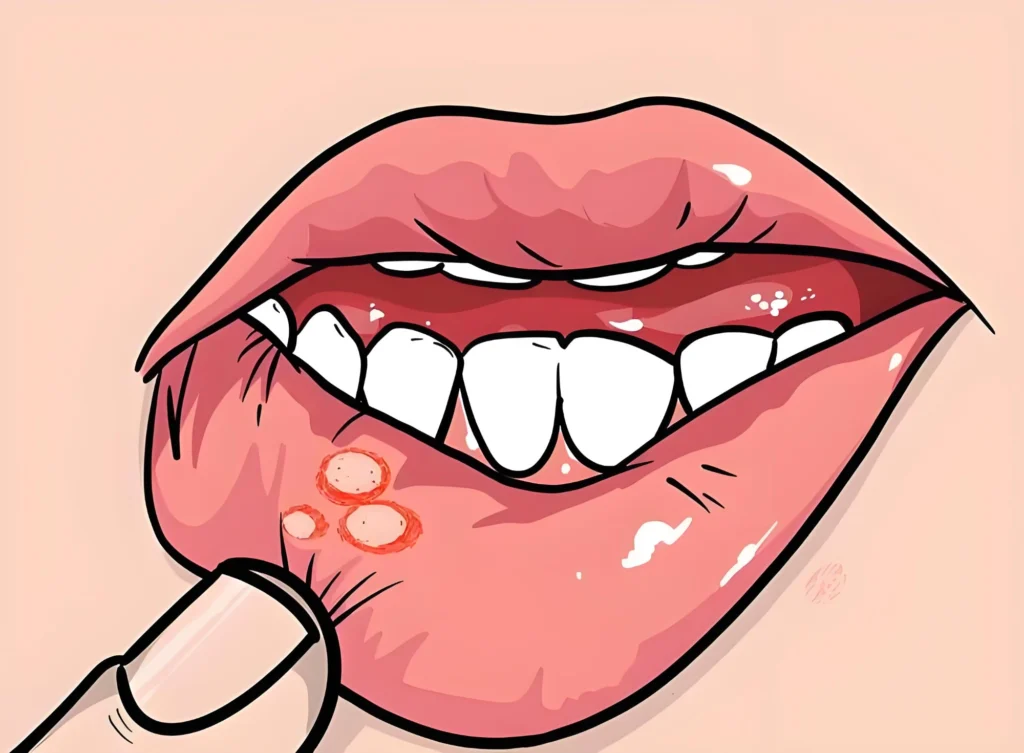
A mouth ulcer, also called a canker sore or aphthous ulcer, is a small, painful sore on the soft lining inside your cheeks, tongue, lips, or gums. Most mouth ulcers are minor, heal on their own in 7–14 days, and are not contagious.
To ease one quickly, rinse with warm salt water, apply a topical numbing gel, and avoid spicy, acidic, or hard foods for a few days. But if an ulcer lasts more than three weeks, or is painless yet keeps growing, see a dentist to have it checked. Here is what causes them, how to speed healing, and the warning signs to watch for.
Mouth ulcer, canker sore, aphthous ulcer: what is the difference?
They are different names for the same thing. “Canker sore” is the common term, “aphthous ulcer” the clinical one, and in Hong Kong it is known in Cantonese as fei zi (飛滋 / 痱滋). An ulcer is a break in the mouth’s soft lining that becomes inflamed, typically round or oval, 2–10 mm across, with a white or yellow centre and a red rim. That white centre (a common question) is simply dead tissue at the middle of the ulcer: normal, not mould or a spreading infection.
Do not confuse a mouth ulcer with a cold sore: cold sores are caused by the herpes virus, appear on the outer lip, and are contagious; mouth ulcers form inside the mouth, are not viral, and do not spread.
What causes mouth ulcers?
The exact cause is not fully understood, but common triggers include:
- Stress, hormones and immune dips: ongoing stress, poor sleep and fatigue lower resistance, a very common trigger; some people also flare around hormonal changes, such as menstruation.
- Dietary irritation: spicy dishes, acidic fruit (pineapple, orange, lemon) and rough, hard foods can injure the lining.
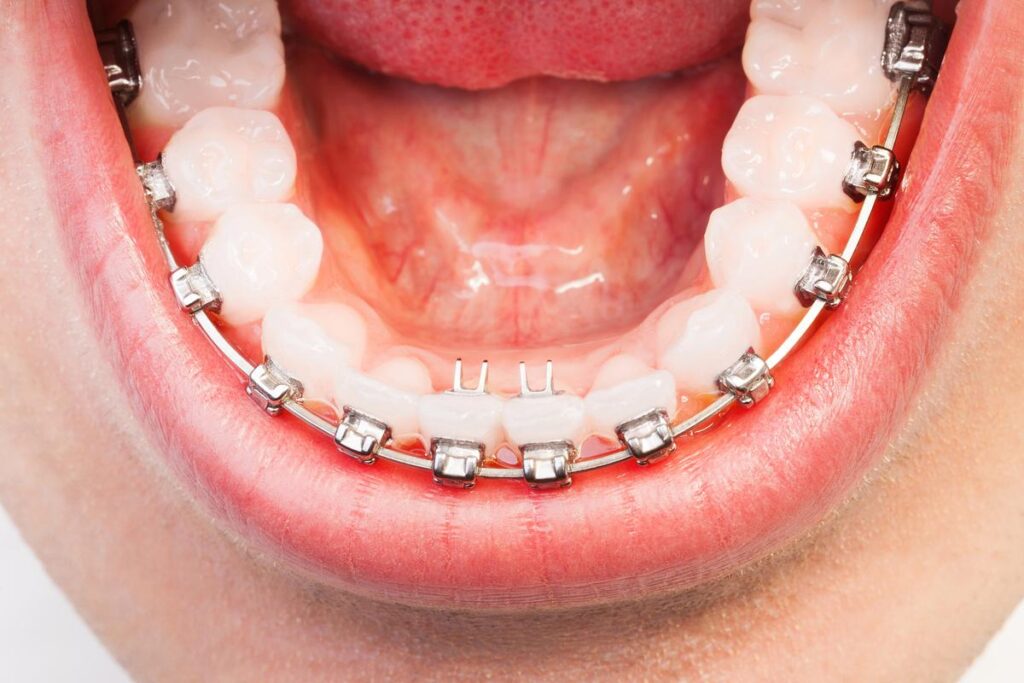
- Physical trauma: accidental cheek bites, brushing too hard, or rubbing from braces or dentures.
- Nutritional gaps: low vitamin B12, iron, zinc or folate weaken the lining’s ability to repair.
- Underlying conditions: less commonly, Crohn’s disease, coeliac disease or autoimmune disorders show up as recurring ulcers, usually alongside other symptoms.
- Chemical irritation: toothpaste containing sodium lauryl sulfate (SLS) can dry and irritate soft tissue; switching to an SLS-free paste may help.
Tip: noting your diet, sleep and stress before each flare-up helps pinpoint your personal trigger.
The three types of recurrent (aphthous) mouth ulcer
Recurrent mouth ulcers (aphthous ulcers) fall into three types; a one-off traumatic ulcer (from a bite or brace rubbing) is a separate kind and not one of these:
| Type | Size / look | Healing time | Scarring |
|---|---|---|---|
| Minor | under 5 mm, shallow (most common, ~80%) | 7–14 days | no scar |
| Major | over 1 cm, deeper, very painful | weeks to months | can scar |
| Herpetiform | pinpoint sores in clusters | longer | not herpes-related; usually linked to immune factors |
How long do mouth ulcers last, and how do you heal one faster?
Most heal in 7–14 days. To ease pain and speed things up:
- Warm salt-water rinse: ½ tsp salt in a cup of warm water, gently rinse a few times a day.
- Topical numbing gel: pharmacy gels with lidocaine or benzocaine, applied before meals or bed, give temporary relief (which one and how much is best checked with a pharmacist or dentist, especially if you are pregnant, breastfeeding, taking other medication, or managing a condition).
- Protective barrier patch or gel: shields the sore from food and saliva while it heals.
- Avoid triggers: ease off spicy, acidic and hard foods; switch to SLS-free toothpaste and a soft brush.
- Gentle natural options: a dab of raw honey or medical-grade aloe vera; limited evidence but generally safe for mild cases.
⚠ Never place an aspirin tablet directly on the ulcer: it burns the tissue and makes things worse.
These home measures suit mild cases for temporary relief and are not a substitute for a consultation; recurring or more severe ulcers should be assessed by a dentist.
For recurring, large or very painful ulcers, home care may not be enough. A dentist can prescribe a steroid ointment, use laser to speed healing, or suggest supplements once a deficiency is confirmed, and can refer you on if an underlying condition is suspected.
Which vitamins are linked to mouth ulcers?
Recurring ulcers can be linked to low B12, iron, zinc or folate. Food sources: iron (spinach, lean red meat, kidney beans), B12 (eggs, salmon, fortified cereals), zinc (pumpkin seeds, lentils, seafood). Whether you need a supplement is best confirmed by a blood test and professional advice rather than long-term self-dosing.
When should you see a dentist or doctor? (Warning signs)
Most ulcers are harmless, but get it checked if you notice:
- An ulcer that has not healed in three weeks.
- A painless sore that persists or keeps growing (one of the signs a dentist checks for oral cancer).
- Sores spreading to the lips or throat.
- Large clusters, or very frequent recurrence.
- Fever, fatigue, rash, joint pain, or trouble swallowing.
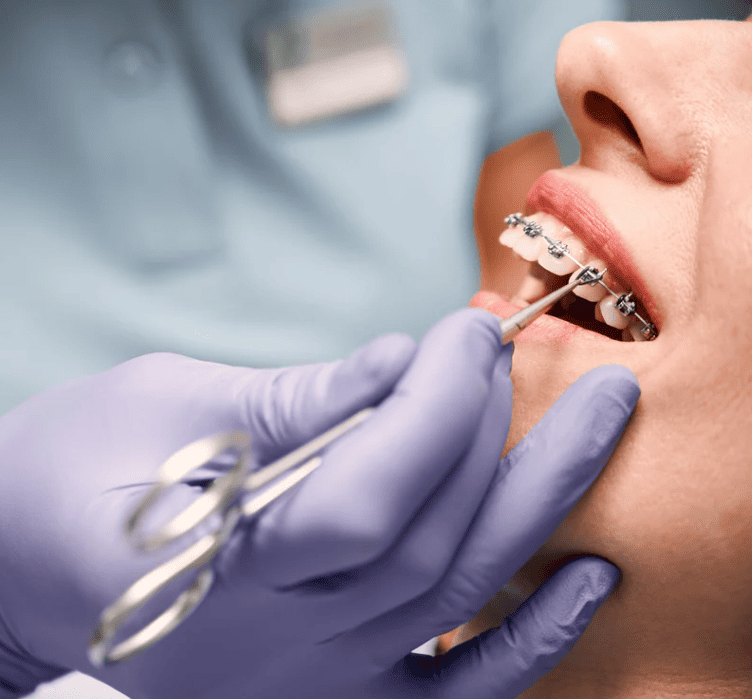
A dentist can also find and fix the source of any rubbing (a sharp tooth edge, an ill-fitting denture or brace) and arrange blood tests where needed. Persistent, slow-healing ulcers deserve a professional assessment rather than being brushed off.
If any of these apply to you, it is worth booking a dentist to take a look: North Plaza +852 2987 0855 / Main Plaza +852 2285 8068, or WhatsApp +852 9787 3025.
How to prevent mouth ulcers coming back
- Balanced diet rich in iron, B12 and zinc; less processed food and sugary drinks.
- Manage stress, sleep well: a few minutes of daily mindfulness or stretching; aim for 7–8 hours’ sleep.
- Good oral hygiene: a soft brush (replaced every 3 months), fluoride toothpaste, no aggressive brushing.
- Regular check-ups and cleanings: roughly every six months, so a dentist and registered dental hygienist can spot sharp edges or lining changes early (see teeth cleaning).
- Lifestyle: chew slowly to avoid bites, do not smoke, limit alcohol, and keep braces/aligners adjusted.
How do I get rid of a mouth ulcer fast?
There is no instant cure, but you can speed healing and ease pain: warm salt-water rinses, a lidocaine or benzocaine numbing gel, a protective patch, and avoiding spicy/acidic/hard foods. Minor ulcers usually clear in 7–14 days.
How long does a mouth ulcer last?
Minor ulcers heal in 7–14 days; larger ones can take weeks. If one lasts more than three weeks, see a dentist or doctor.
Why do I keep getting mouth ulcers?
Common triggers are stress and low immunity, spicy/acidic foods, biting or brace friction, low vitamins (B12/iron/zinc/folate), and SLS toothpaste; occasionally they are linked to gut or immune conditions.
What deficiency causes mouth ulcers?
Recurring ulcers can be linked to low B12, iron, zinc or folate, but causes are often mixed. Confirm any deficiency with a blood test rather than self-diagnosing.
Are mouth ulcers contagious?
No. They are not caused by a virus or bacteria and do not spread. Cold sores on the outer lip (herpes) are the contagious ones, a different thing.
Can a mouth ulcer be oral cancer?
An ordinary ulcer will not turn into cancer, but an ulcer that has not healed in three weeks, or a painless lump or unusual bleeding, should be checked by a dentist or doctor promptly.
What is 飛滋 in English?
Mouth ulcer, also called a canker sore or aphthous ulcer.
What is the white part in the middle of a mouth ulcer?
It is normal. A typical ulcer is round or oval with a white or yellow centre (dead tissue) and a red rim, not mould or a spreading infection. But if the white area keeps growing, has not healed in three weeks, or comes with a painless lump, have it checked by a dentist.
Book a check-up
Bayside Dental Discovery Bay has two clinics, at DB North Plaza and DB Plaza, convenient for residents of Discovery Bay and Lantau Island. A mouth ulcer is small, but it can make eating and talking miserable; if yours keep coming back or will not heal, or you would like the cause (friction or nutrition) checked at the same time, our dentists are happy to take a look.
Book: North Plaza +852 2987 0855|Main Plaza +852 2285 8068|WhatsApp +852 9787 3025, or contact us.
Related reading: Teeth Cleaning (regular check-ups and cleaning help catch a rubbing edge early), Understanding Gum Inflammation, Emergency Dentist (acute swelling or suspected infection).